
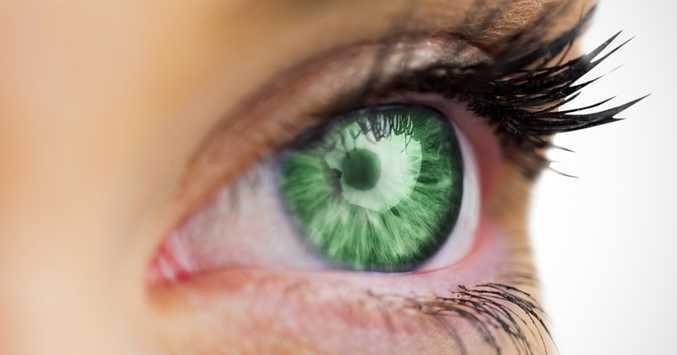
Glaucoma
Sight is important
Eyes are important for us all, aren’t they? We use them everyday of every second of our lives, and that is why it is so important to care for our eyes, isn’t it?
It is good to take time and learn a bit about your eyes, to learn if your eyes are healthy or if they aren’t. Having a bit of knowledge can determine whether you are in time to care for your eyes before you get Glaucoma for example. That is why we have put this sort information blog together for you, to help you better understand Glaucoma.
What is Glaucoma?
Glaucoma is an eye disease of the optic nerve that is associated with the inability of the eye to withstand high pressure within the eye. The optic nerve carries images from the retina, which is the specialized light sensing tissue, to the brain so we can see.
Glaucoma facts:
- 1 in 200 people aged 40 have glaucoma
- Most vulnerable: elderly, women, ethnic minorities, indigenous people
- It’s the most common cause of irreversible blindness
- It initially shows no symptoms
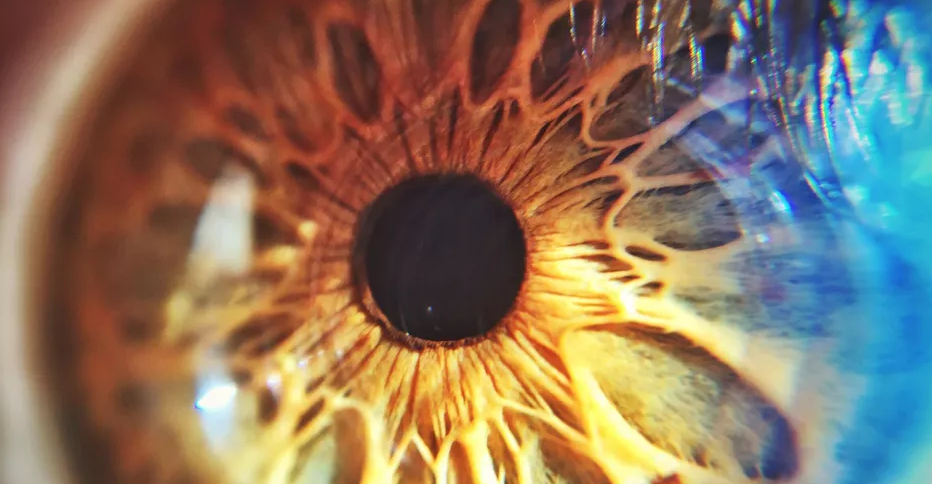
What happens in your eyes when you have Glaucoma?
In glaucoma, raised eye pressure plays a role in damaging the delicate nerve fibres of the optic nerve. When a significant number of nerve fibres are damaged, “blind spots” develop in the field of vision. Once optic nerve damage and visual loss from glaucoma occur, it is permanent. Most people do not notice these blind areas until much of the optic nerve damage has already occurred. If the entire nerve is destroyed, blindness results.
Types of Glaucoma:
There are two main types of glaucoma, namely open-angle glaucoma and closed-angle glaucoma.
- Open-angle glaucoma is the most common form of glaucoma. In open-angle glaucoma, the optic nerve damage and peripheral vision loss usually occurs so gradually and painlessly that you are not aware until the optic nerve is already badly damaged.
- Angle-closure glaucoma results when the drainage angle of the eye narrows and becomes completely blocked. When the drainage angle of the eye suddenly becomes completely blocked and pressure builds up rapidly, they cause symptoms that include severe eye pain, blurred vision, headaches, rainbow-haloes around lights, nausea and vomiting. If acute angle-closure glaucoma is not treated quickly, blindness can result.
Who is affected
Although glaucoma primarily affects the middle-aged and the elderly, it can affect people of all ages. Those at higher risk include people of African, Asian, and Hispanic descent. Other high-risk groups include:
- people over 60,
- family members of those already diagnosed,
- diabetics,
- people who are severely near-sighted.
Treatment:
There is no cure for glaucoma. However, medication or surgery can slow or prevent further vision loss. The appropriate treatment depends upon the type of glaucoma among other factors.
How do you know if you have glaucoma?
Early detection is vital to (stopping)slowing down the progress of the disease. The South African Optometric Association (SAOA) encourages regular comprehensive eye examinations that includes screening for eye diseases like glaucoma. Such examinations are especially important for those at higher risk of glaucoma and may help to prevent unnecessary vision loss.

CAUTION: Ready Made Readers must never replace your regular eye examination
It is important to note that the ready made reader does not replace the necessity for a regular eye examination and, in certain cases, could be damaging to the visual health of the wearer for example, masking underlying pathology such as glaucoma.
For further information, contact the Grove Optometrists. We can assist with advice to the visual health of the wearer by, for example, masking underlying pathology such as glaucoma.